Laser Eye Surgery is when lasers are used in corrective eye surgery to minimise dependence on glasses for sight.
Highly specialised lasers are applied to the front dome of the eye called the cornea to re-shape it such that light passing through the modified cornea will be focussed accurately as it passes into the eye.
Three techniques are available to do this:
– LASIK (laser in situ keratomileusis)
– LASEK (laser epithelial keratomileusis)
– SMILE (small incision lenticule extraction)
In LASIK 2 types of laser are used. The first is called a Femtosecond laser and is used to create a thin precise flap . The second Laser called an Excimer laser is then used to precisely reshape the corneal bed underneath to treat the desired prescription. The flap layer will then be repositioned to cover the treatment area
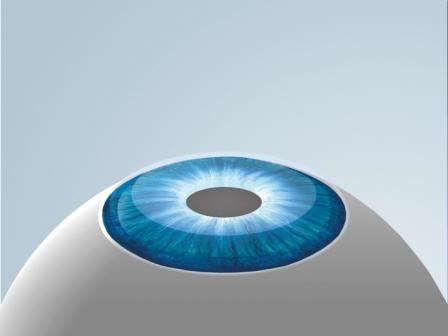
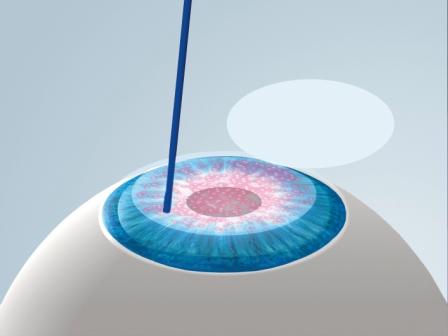
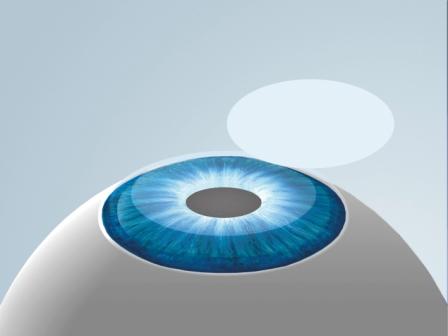
In LASEK there is NO flap. A thin layer of surface cells are loosened using a special alcohol and the Excimer laser is then used to precisely reshape the corneal bed underneath to treat the desired prescription. A dissolvable artificial contact lens is then put over the treatment area which helps a new surface layer of cells to form to replace the layer removed with the special alcohol
In SMILE only the femtosecond laser is used. A thin sliver (called lenticule) of cornea is created by the laser to the shape which corresponds to the desired prescription that needs to be treated. This is lenticule is created within the layers of the cornea. Through a small pocket (also created by the same laser) the lenticule is then carefully extracted to achieve the desired treatment effect.
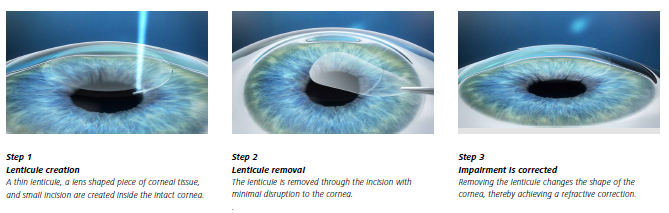
The 3 different techniques all achieve the same end result of good vision without glasses but each have particular advantages. LASIK allows for very fast healing, whilst LASEK and SMILE allow for keeping the eye structure stronger after treatment (essential in patients with higher prescriptions or with thinner cornea). Depending on individual patient factors the surgeon will discuss which option may better suit a given patient.
Following detailed assessments and checks to confirm safety parameters, the treatment is undertaken. The whole treatment usually takes between 20 to 30 minutes. The actual treatment laser is in operation for only a tiny fraction of this time (seconds). Surgery is performed with drops anaesthesia and is painless for patients. After a quick post operative check by the surgeon, patients are free to go with drops to facilitate effective healing.
Within a few days patients will notice being able to see without glasses.
Laser surgery can be used to treat a wide range of myopia, hyperopia and astigmatism. For presbyopia (reading vision problems) we have “Blended vision (Presbyond)”. This is a highly specialised laser treatment profile that can correct reading function to a significant degree when lasers are undertaken in the over 40 s (many centres cannot provide these functions)