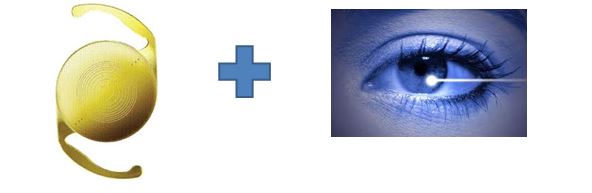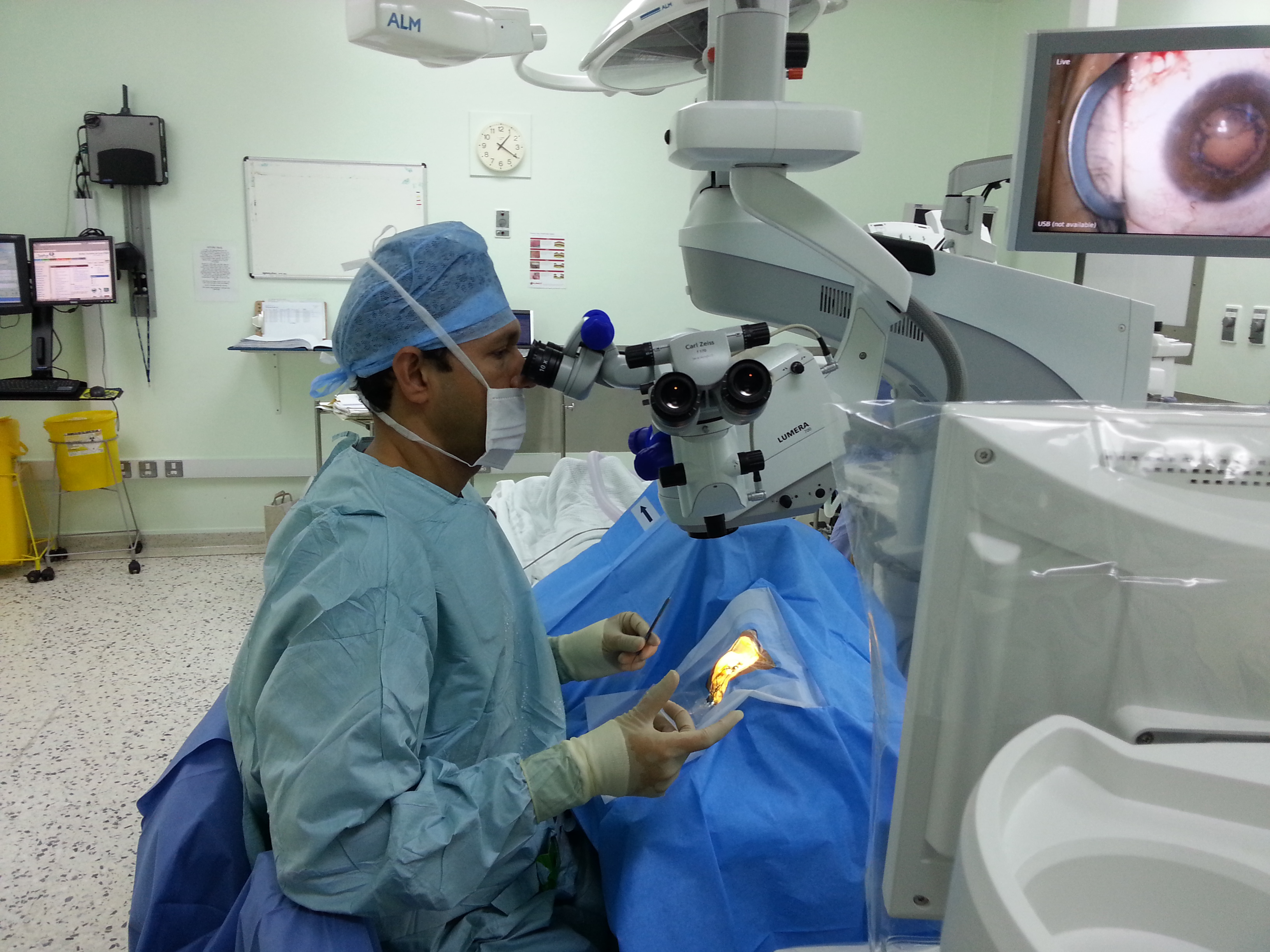
Lens/Cataract surgery is routinely available to patients and has proven itself safe and effective. Patients are able to achieve clearer vision but with dependence on glasses for aspects of vision.
What is less well known are the advanced considerations in lens/cataract surgery. Surgery can be enhanced using state of the art laser assisted systems and with lens rehabilitation technologies which can be personalised to the individual. Extremely high degrees of precision can be achieved with the additional advantage of minimising dependence on glasses. This provides similar precision as laser corrective surgery and can be done at the same time that lens/cataract surgery is undertaken.
These methodologies are not routinely available through the NHS because their sole purpose is for the cosmetic effect of reducing dependence on glasses.
Enhanced techniques explained:
1. State of the art laser assisted lens/cataract surgery – Click here for more information
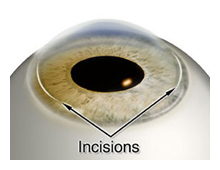
2. Astigmatic incisions: These are specially measured cuts made to the cornea. It converts the abnormal rugby ball shape of the front of the eye as seen in astigmatism, to a more normalised rounded football shape. This enables a patient to see clearer without glasses.
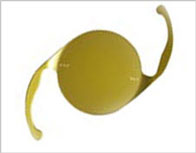
3. Astigmatism corrective (TORIC) lenses: These are specialised lenses that have different curves in different axes to counteract the axes shape abnormalities in patients’ eyes. It is used when astigmatic incisions alone will not be sufficient in higher errors. Patients achieve excellent glasses free vision from these.
Note the fine lines on the lens which the surgeon uses to align the lens to marks made on the eye at a precalculated axis.
4.Multifocal ringed /segmented lenses: These specialised lenses enable a patient to see distance and near with minimal to no dependence on glasses.
Commonly described advantages are:
No need to worry about constantly losing reading glasses
Hobbies like swimming, beach activities etc are convenient
Working on the computer screen is easier without glasses
Ability to read books/newspapers/magazines without readers
Ability to shop at the supermarket and read labels
Putting make up on (women) is is easier
The list goes on……………..
How these work: The lenses have micro-rings built in their very precise technological designs (A). The rings enable light to focus when coming from distance and near. Some designs have segments to create the same effect (One segment for distance and the other for near (B))
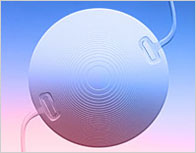
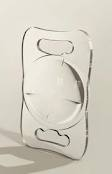
(A) Ringed lens (B) Segmented lens
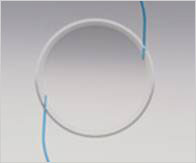
Compare this to a standard lens below where there are no rings or segments.
5. Trifocal intraocular lenses to replace the natural lens: These lenses are based on the technology of multifocal lens but instead of having 2 focus points (distance and near), have 3 focus points (distance, intermediate and near).
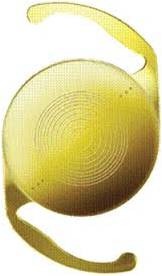
6. Mixed Astigmatism and multifocal lenses: These specialised designs can simultaneously correct astigmatism and provide multidistance vision (distance & near). It combines the mechanisms of the lenses as described above to achieve these effects.
7. Custom combined excimer laser and lens surgery: In this technique we use a specialised laser (called excimer) to fine tune the result following lens surgery when necessary. This enables very high levels of accuracy in focus for patients.